

The appliance tenants touch most and report least
A gas fireplace in a rental gets switched on by people who did not buy it, did not read its manual and will not call until it stops working. By then the glass is grey, the logs have been moved, and the pilot has been relit with a match more than once. Most of what goes wrong in a rental gas unit is slow, and a yearly visit catches it while it is still cheap.
Bexley Chimney Group services gas fireplaces across rental buildings from our base in Lakewood. This post is for owners and managers choosing who to hire for that work, and what to expect on the quote.
What wears in a rental gas unit
The faults we see in occupied units are fairly predictable:
- Logs knocked out of place during cleaning, so the flame hits the ceramic and lays down soot
- Glass clouded with a white film that no household cleaner shifts
- A pilot that dies in a draft, or a thermocouple that has started to fail
- Dust and pet hair packed around the burner and the air shutter
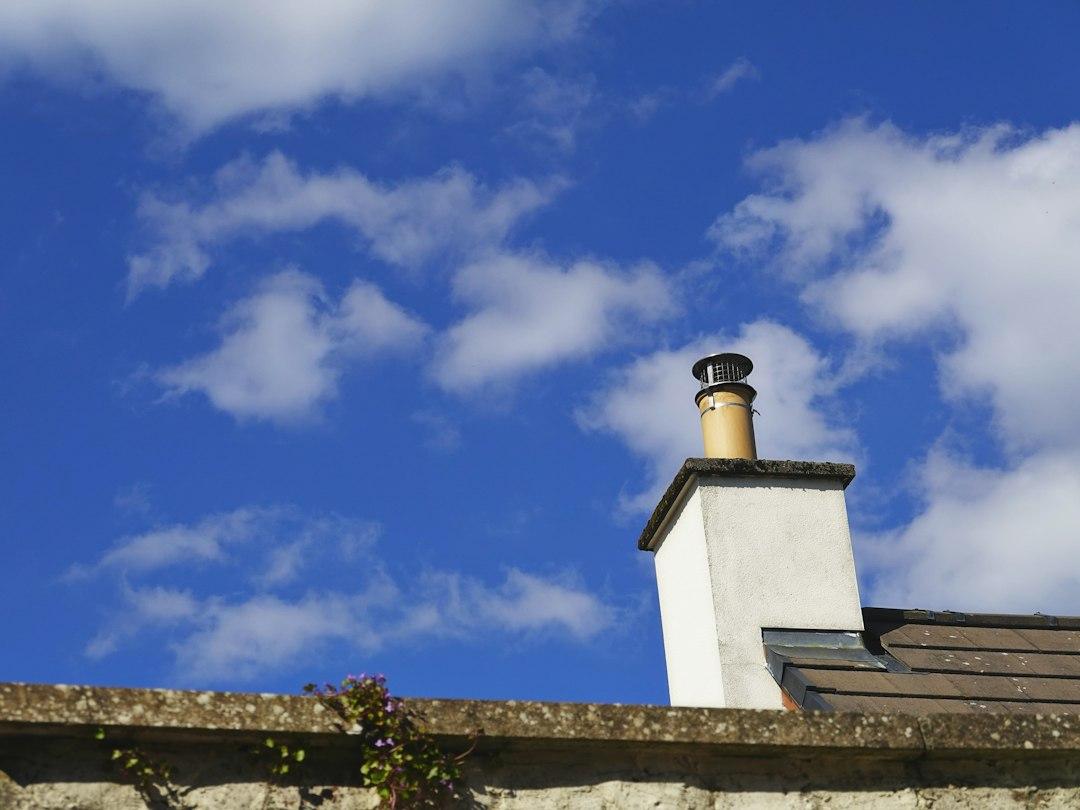
- A vent cap outside blocked by a nest, leaves or a wasp colony
- A missing or unplugged carbon monoxide alarm in the room
None of these is a big job alone. Left for a few years across a building, they become six service calls in one cold month.
What the service visit covers
For each unit we shut the gas at the valve, lift out the glass and the log set, and clear the burner, the pilot assembly and the firebox. The logs go back in the pattern the maker shows on the rating plate or the manual, not where they ended up after the last tenant. We take the film off the glass with a cleaner meant for it and look over the door seal. We relight, watch the burn, and check the outside vent cap for blockages.
California requires a carbon monoxide alarm in rental units with a gas appliance, and we note on each page whether one is present and sounds on test. The gas fireplace cleaning page covers the visit in more detail, and gas fireplace repair covers what we do when a part has failed.
What decides the per-unit price
Gas fireplace service has no fixed figure on our published list, because the units in a building rarely match. We set a per-unit price from a short list:
- How many gas fireplaces the building has, and how many are reachable on one trip
- Whether the units are one make and model or a mix
- How old the units are, and whether parts for them are still sold
- How the outside vent caps are reached: at ground level, from a balcony, or on the roof
- Whether any unit has an open fault reported by a tenant
Get a per-unit figure: give the count of gas units, the make if a tenant can read it off the plate under the firebox, and any unit with a known problem. We send a written price per unit before the first visit is booked.
Hiring the crew: what to ask
When an owner compares companies for gas fireplace work across a building, these are the questions that sort them:
- Does the price cover every unit at the same rate, or does it change per unit on the day?
- Will each unit get its own dated page with photos, or one summary for the building?
- Who sends the entry notice to tenants, and who holds the keys?
- What happens if a unit needs a part: a written price first, or a repair on the spot?
- Do you check the outside vent cap, or only the box in the room?
A company that answers all five in writing is easier to manage than one that is cheaper by a few dollars per unit.
Repair or replace a worn unit
Some rental gas fireplaces are past the point where repairs make sense. The ignition parts are discontinued, the glass frame has warped, or the unit was installed decades ago with a vent run that no longer meets the maker's instructions. When that is the case, the report says so.
Replacing an old firebox unit with a new sealed insert runs $2,850 to $5,700 installed on our list, depending on the model, the liner and the gas line. A wall unit placed somewhere that never had a fireplace is a separate job at $4,550 to $9,100. For most rental owners the insert is the one to price, because it reuses the existing opening. See fireplace inserts for what the install involves.
What the tenant hears from us
Tenants are not our client, but they live with the unit, so we leave them with three plain points before we go: where the gas shutoff for the fireplace is, that a smell of gas means leaving the unit and calling the gas company from outside, and that any fault goes to the manager rather than to a handyman. That short talk does more to prevent a bad night than any sticker on the wall.
Records the owner can use
Each unit page lists the date, unit number, make where readable, what was cleaned, what was found, and whether the alarm sounded. Managers in Lakewood, Cerritos and Long Beach file these with the lease so a tenant complaint about a smell or a dead pilot can be checked against the last visit. If a gas unit sits in a building that also has wood fireplaces, the chimney inspection round can run on the same trip.
When you have the unit count, start the booking on the contact page.
Bring Your Buildings Up to Date
Bexley Chimney Group inspects, services and repairs chimneys on rental property in Lakewood and nearby cities, then files a dated page for every unit.