
A small part that shows up in big claims
An open flue on a rental is a line item waiting to happen. Rain runs down it and rusts the damper. Pigeons nest in it and a tenant smells them through the wall. A spark rides out of it on a windy night. Each of those becomes a work order, and some become a claim. One cap closes all three at once, which is why we put it on its own line of the quote.
Bexley Chimney Group fits caps on rental houses and small apartment buildings across Lakewood and the cities around it. Each cap is quoted after we measure the flue. This post covers what sets the cap price on a roof, and how owners of more than one building keep the cost down.
What is the simplest job
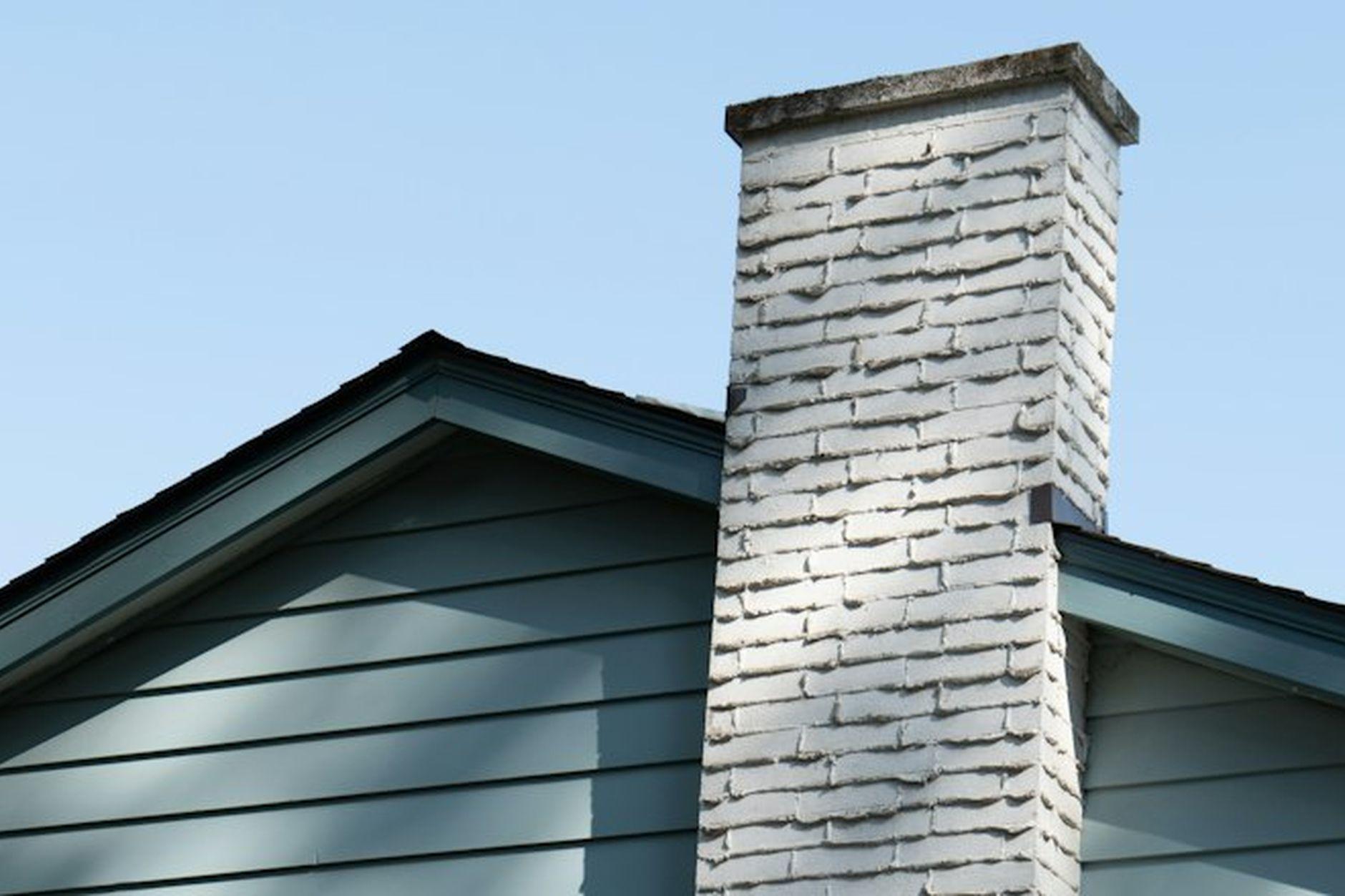
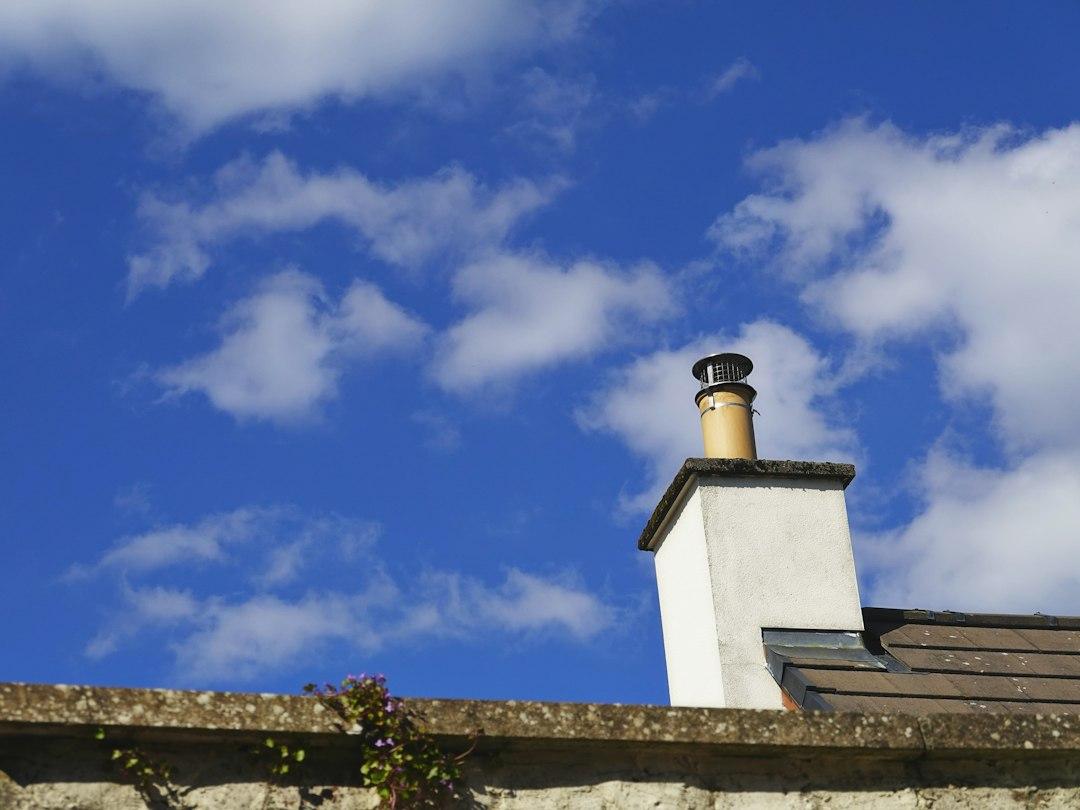
The simplest job is a single clay flue tile of a standard size on a one-story roof with an easy ladder spot. A stainless cap with a spark screen slips over the tile and clamps tight. One trip up, a few photos, done. Many of the ranch houses built across Lakewood after the war fit this description, and on a street of them the job stays simple.
What makes it a bigger job
The price climbs with any of these:
- More than one flue in the stack, so one wide cap has to cover the whole top
- A tile that is an odd size or sits off center, which calls for a cap made to measure
- Copper chosen for looks, or a heavier steel for a building near the coast
- A two-story wall, a steep pitch or a clay tile roof that slows the climb
- A metal chimney on a factory-built fireplace, which needs the maker's own listed top
Salt air reaches well inland from Long Beach, and light galvanized caps rust through faster there. On rentals near the water we fit stainless as standard so the cap is not back on the work order list in a few winters.
When the cap is not the whole job
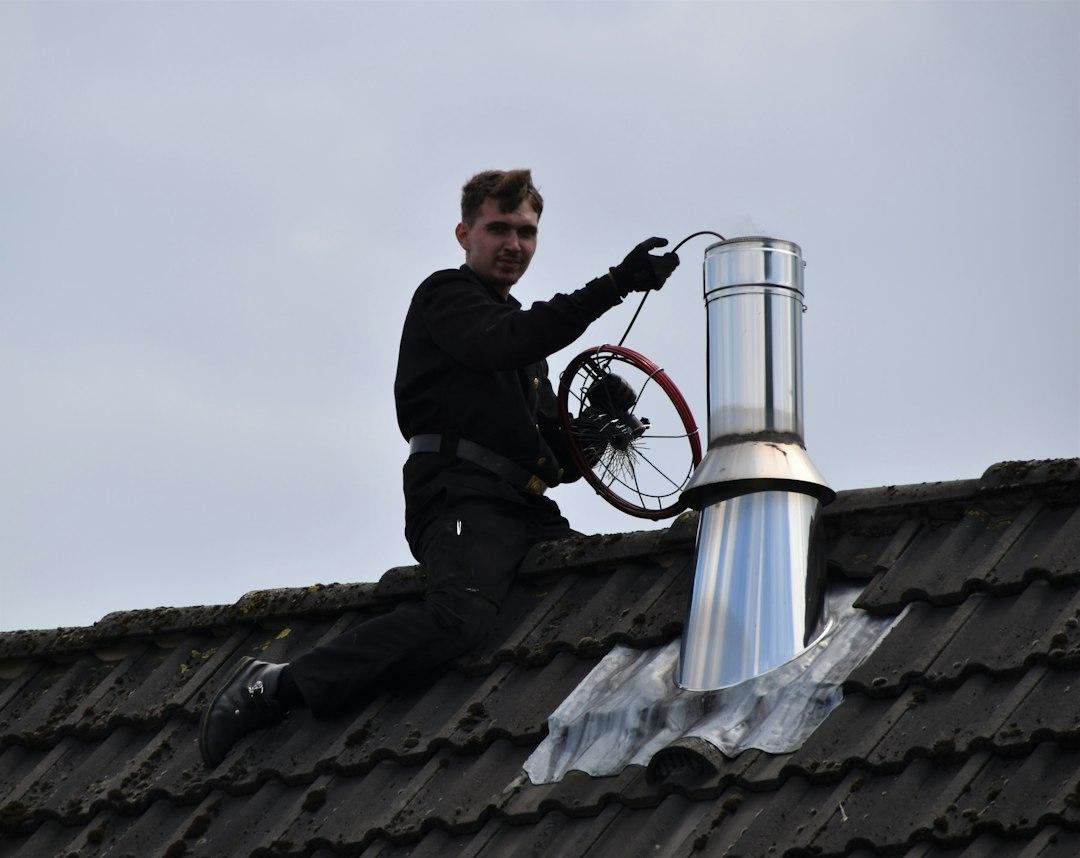
A cap needs something sound to sit on. If the crown under it is split, the clamps or anchors have nothing to grip, and the first Santa Ana wind will move it. If the flue below is packed with nesting, a cap on top seals the problem in. In those cases the report says so, with photos, and the crown or sweep is priced on its own line. A sweep starts from $425. Crown work has no published figure because the size and state of the crown change the job too much from roof to roof; the crown repair page explains the options.
What decides the price for a building
For an owner with several rentals the questions are:
- How many chimneys, and how many flues on each
- Whether each is masonry or a metal flue on a factory-built unit
- Roof type and height at each address
- Whether any unit has a nest, a leak or a missing cap already reported
Request a cap price per roof: give each address, the number of chimneys, and whether you know of any that are open at the top. We send a written figure for each one once we have measured, and a note on any roof where we need to see the crown first.
Why one trip for the whole portfolio costs less
Most of a cap visit is getting to the roof and back down safely. When five rentals on the same side of town are capped on one route, the setup time is shared and the caps are ordered in one batch. Owners who cap a whole building at once also end up with one record that shows every flue closed on the same date, which is the easier thing to show an insurer.
We combine cap work with the yearly Level 1 round where it makes sense. The inspector notes each open or damaged cap, the owner approves the list, and the caps go on during the same visit or the next one.
Caps and the windy months
Lakewood sits well inland from the canyons, but the Santa Ana winds that push wildfire across the county still reach its roofs each fall. On a windy night an open flue over a lit fireplace can throw embers onto dry shingles or into the next yard. The screen on a cap is what holds those embers in. For a landlord, that is not only a safety point: a tenant who lights a fire on a red flag night is outside the owner's control, and the cap is the part that is not. We note on every cap page whether the screen is intact, so the file shows it was checked before the season.
What the owner receives
Each address gets a before and after photo of the chimney top, the cap size and material, and the date. Managers in South Gate, Cerritos and Lakewood keep these with the property file. If an adjuster later asks whether the flue was protected, the page answers it.
For cap sizes, materials and what the install involves, see the chimney cap installation page. If a cap is part of a leak, our post on tenant leak reports walks through the repair side.
Ready to close the tops
Gather the addresses and a rough chimney count, then use the contact page to set up the route.
Bring Your Buildings Up to Date
Bexley Chimney Group inspects, services and repairs chimneys on rental property in Lakewood and nearby cities, then files a dated page for every unit.