Two figures for the budget sheet
Every fireplace in a rental costs the owner twice: once for the visit, and again if nobody can prove the visit happened. Bexley Chimney Group works out of Lakewood for landlords, small HOAs and the managers who run their buildings, and our pricing is set up so a budget line can be written before anyone climbs a ladder.
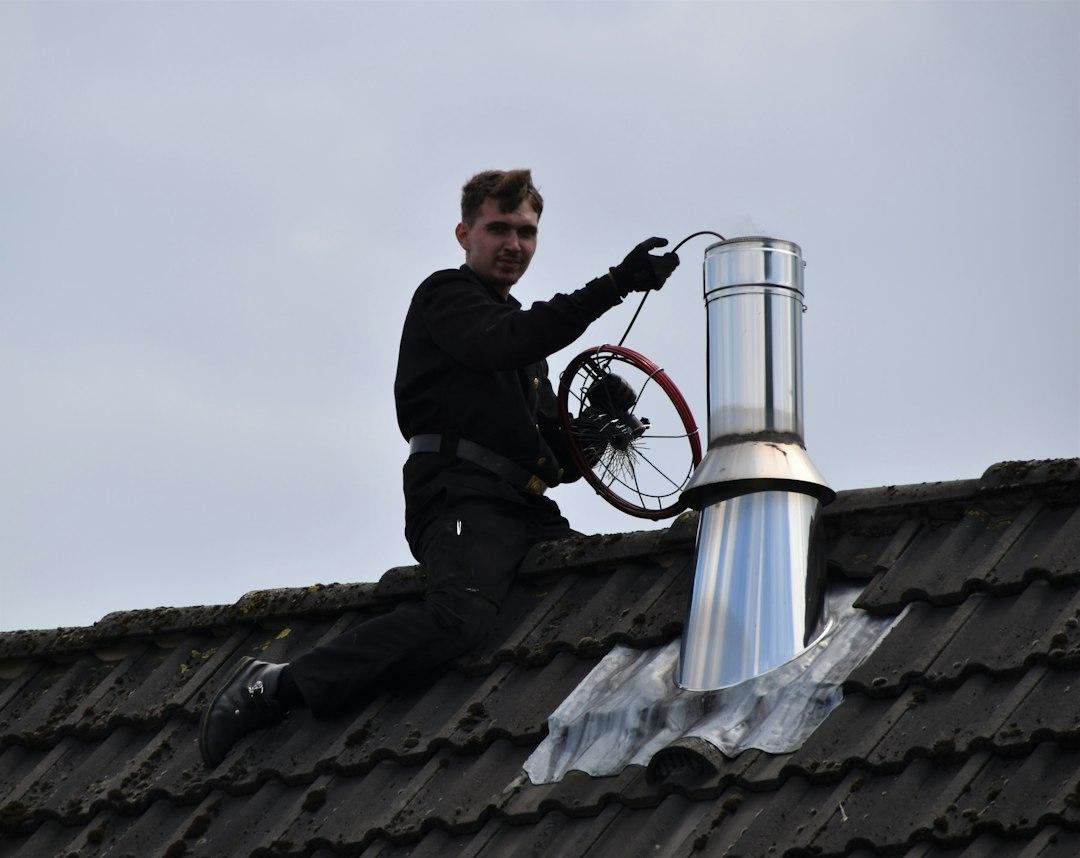
Two numbers cover most of it. A Level 1 inspection is $56 for each fireplace. A Level 2 inspection, with a video scan of the flue, is $400. Sweeping, when a unit needs it, starts from $425. Nothing else on this page carries a figure, because nothing else is the same from one building to the next.
What the $56 visit buys in an occupied unit
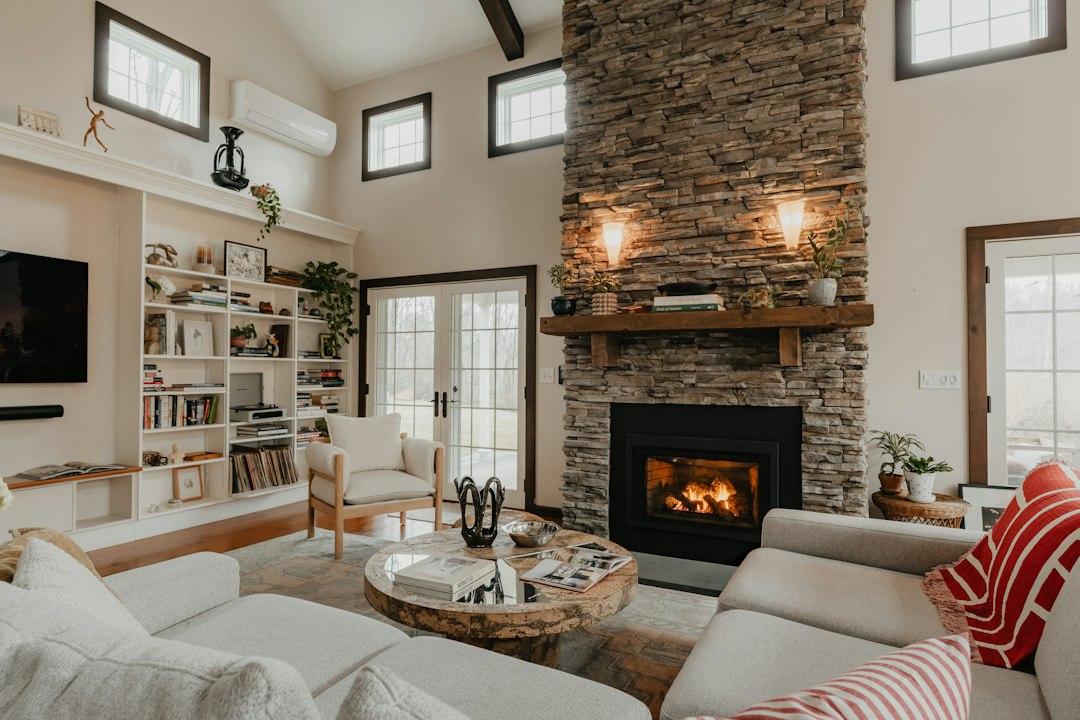
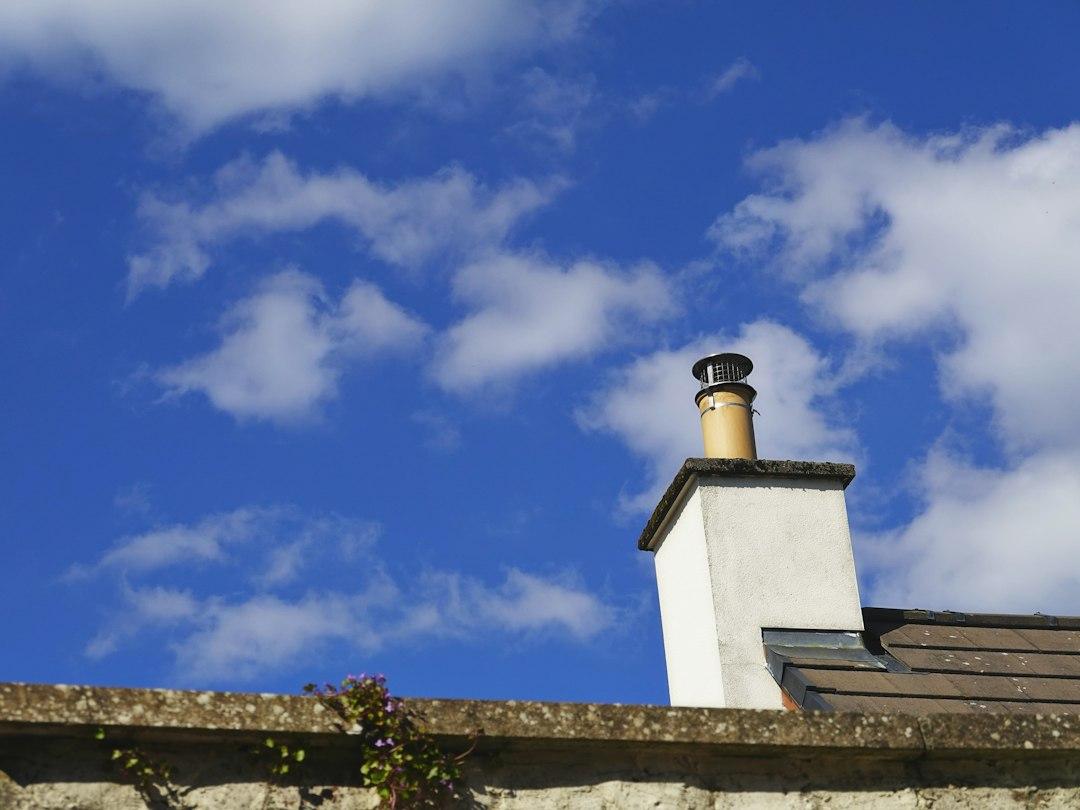
A Level 1 is the routine look a rental should get once a year and at turnover. The technician works the damper open and shut, puts a light up past the throat, checks the firebox floor and back wall for cracked brick or warped panels, and measures how close the mantel trim and any wood surround sit to the opening. On a gas unit we look at the burner, the logs and the vent connection. Up top, where the roof allows a safe climb, we read the cap, the crown and the metal where the chimney meets the shingles.
It is a short visit, which matters when a tenant has to be home or has to leave a key with the manager. It does not look inside walls or down the full flue with a camera. If something in the Level 1 points that way, the report says so plainly and names the next visit. See the chimney inspection page for the full list.
When a unit needs the $400 camera report instead
The Level 2 runs a camera the length of the flue and adds the attic and any crawl space the chimney passes through. For a rental, these are the times we would book it:
- The unit has sat empty for a long stretch and nobody knows what nested in the flue
- A tenant reports smoke in the room, a loud crack or a burning smell from the chimney
- The fireplace is being switched from wood to gas, or a sealed insert is going in
- The building has been through a strong quake or a chimney fire
- The property is being sold or refinanced, or an insurer has asked for the flue condition
The national standard for chimneys, NFPA 211, ties the deeper inspection to the same kinds of events. In practice the camera report is also the document that ends an argument, because it shows the tile joints, the offsets and any gaps in a form an adjuster or a buyer's agent can open on a laptop. We go into the choice in more detail in Level 1 or Level 2 on a Rental?.
What decides the total for a building
For a portfolio the arithmetic is simple, and the variables are few:
- How many units have a working fireplace or gas log set
- Which level each one needs this round
- Whether any flue has enough buildup to call for a sweep
- How the roof is reached: a flat roof with a hatch, a pitched roof, or a two-story wall
- How many access windows the tenants give us
Units that share a roof are grouped into one trip, so a ten-unit building is not ten separate drives. Ask for a building total: list the units that have a fireplace, mark which ones run on gas, and say whether any tenant has reported a problem. The figure comes back in writing, unit by unit.
What lands in the owner's file
Each fireplace gets its own page. It carries the date, the address and unit number, the inspection level, photos of each part we looked at, and the findings sorted into three bins: fine to use, use and watch, and do not use until repaired. A sign-off line at the bottom shows who inspected it.
That page is what a manager hands to an owner, an owner hands to an insurer, and an HOA board files with its minutes. When a tenant later claims a fireplace was unsafe, the dated page is the answer. We send the report to whoever is named on the booking, and a second contact can be added at the same time.
Scheduling around tenants
California law asks landlords to give tenants written notice before entering a unit, so we book the visit through the manager and let the manager send the notice. We stay inside the window the notice gives. If a tenant is not home and no key was left, the unit is marked as missed on the building sheet so the gap is on record, and it goes onto the next trip.
Inside the unit we lay drop cloths, keep the visit short and leave the room as we found it. Tenants are told what we checked before we leave. Anything that needs repair goes to the owner or the manager, not to the tenant, unless the booking says otherwise.
Where we work
We are based in Lakewood and cover rentals in Cerritos, Long Beach, South Gate and across Los Angeles County. The Lakewood area page lists the rest. Buildings with many units should start at the property manager and HOA page, which sets out the per fireplace pricing and the record format in one place.
When the building list is ready, the contact page is where the scheduling starts.
Bring Your Buildings Up to Date
Bexley Chimney Group inspects, services and repairs chimneys on rental property in Lakewood and nearby cities, then files a dated page for every unit.