
The message usually arrives after the storm
Tenants report chimney leaks in a predictable way. A text to the manager mentions a brown mark by the fireplace, damp carpet at the hearth, or a drip into the firebox. The rain has already stopped. By the time anyone looks, the mark has dried to a tide line and nobody can say whether it is new.
Bexley Chimney Group traces and repairs chimney leaks for rental owners in Lakewood and the cities nearby. This post is for the owner or manager holding that tenant message: what to record, what the repair costs on our list, and what the paperwork should show when it is done.
Log it before you call anyone
The first thing that protects the owner is a note made the same week. It does not need to be long:
- The date of the report and the date of the rain that caused it
- Where the water showed: ceiling, wall beside the fireplace, firebox, hearth floor
- Whether the tenant used the fireplace that week
- Any earlier report on the same unit
That log is what lets a leak specialist match the stain to a storm, and it is what an insurer or a small claims judge will want to see if the tenant later says the damage was ignored.
Where chimney water usually gets in
On the rental roofs we work, the entry points are a short list:
- An open flue with no cap, which lets rain fall straight onto the damper
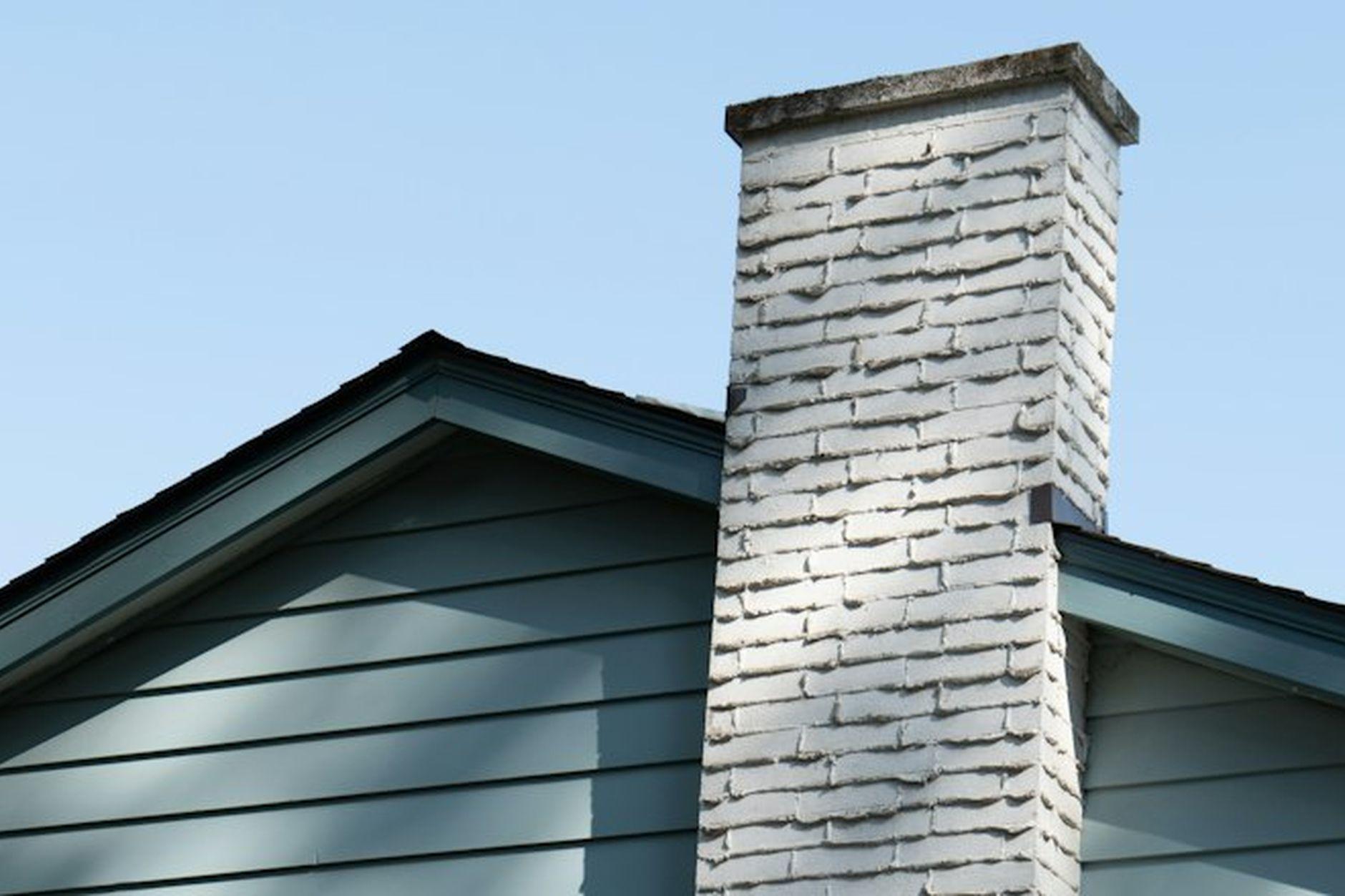
- A crown that has split, letting water into the brick around the tile
- Metal at the roofline that has lifted, rusted or lost its seal against the brick
- Brick and mortar that have turned porous and drink water in a long storm
- On a framed chimney, a rusted cover over the chase that pools water
More than one of these is often at work on the same stack. That is why we check the whole chimney, not just the spot above the stain. The chimney leak repair page lists each fix in more detail.
How we trace it
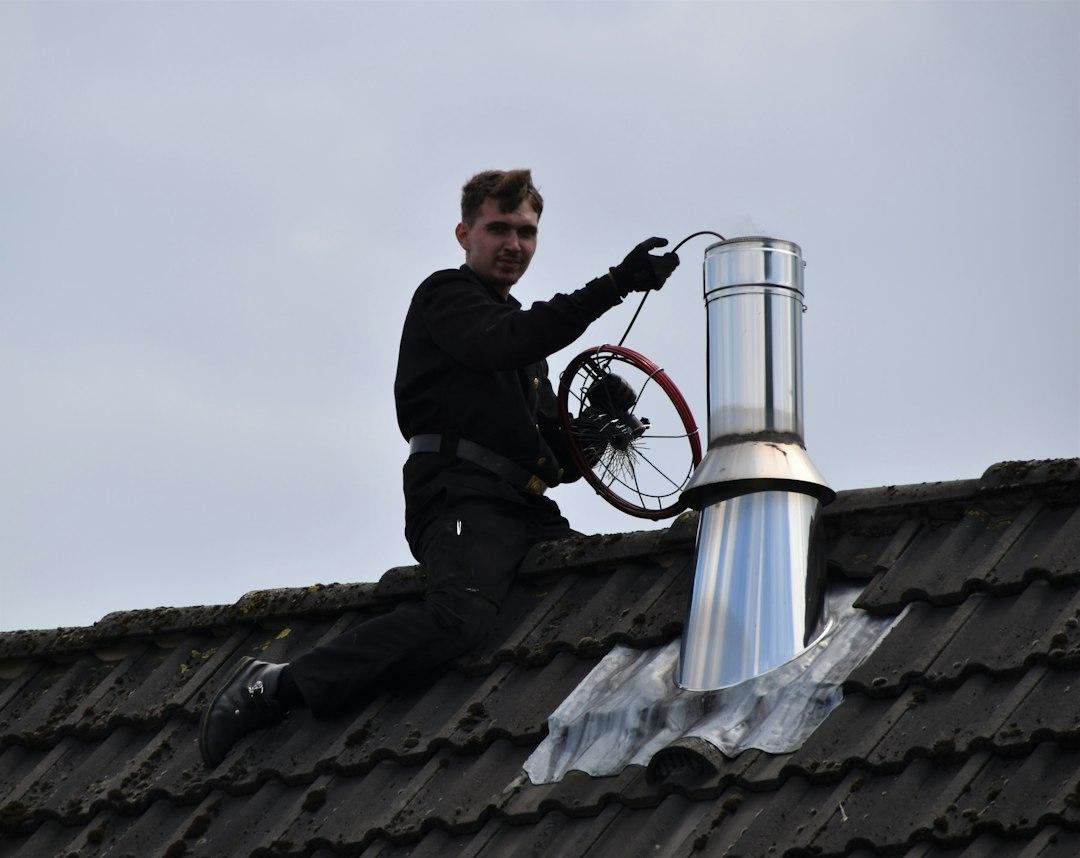
We start inside, at the stain, and then go to the roof. With the tenant's permission, or the manager's key, we wet the chimney in sections, lowest first, while one of our crew watches the stain from inside. When the mark darkens, we know which section is letting water through. We photograph the entry point and mark it on the report. This is slower than guessing, and it is what stops a second repair bill on the same leak.
What the repair costs on our list
These are the figures we publish for the usual fixes:
| Fix | Installed |
|---|---|
| Tracing the water and sealing the entry | $570 to $3,400 |
| Rain cap over an open flue | quoted after we measure |
| Diverter framed on the uphill side of a wide stack | $455 to $1,025 |
| Diverter plus new metal all around the base | $685 to $1,700 |
A leak that turns out to be the crown or a chase cover has no figure on that table, because the size and state of each one varies too much. We price those on the report with photos of the damage. The flashing repair and waterproofing pages explain those jobs.
What decides where your repair lands
The low end of the leak range is a single entry point on a one-story roof. The high end is a stack with two or three faults, a tall wall or a tile roof that has to be lifted and reset. The things that move it:
- How many entry points the water test finds
- Roof type and height
- Whether the chimney needs a diverter because it is wide and catches water
- Whether ceiling or wall repair inside the unit is part of the scope
Book a leak trace: give the unit address, the date the tenant reported it, and where inside the water showed. We send a written scope with the price before any repair starts, and the owner approves it.
What the owner gets when it is done
The report shows the entry point, the fix, before and after photos, and the date. If water came through more than one place, each one has its own line. We send the report to the owner and the manager, and the manager can pass a short note to the tenant that the repair was made and on what date. That closes the loop on the tenant's original message.
Hiring for the trace, not just the patch
A roofer called out for a ceiling stain will often smear sealant around the base of the chimney and leave. If the water was coming through the crown or down an open flue, the stain is back with the next storm and the owner has paid twice. When comparing companies, ask whether they will test the chimney in sections before quoting, and whether the report will name the entry point with a photo. A quote that skips both is a guess with a price on it.
Do not leave it for the dry season
A leak that stops when the rain stops has not stopped. Frost is rare here, but water left in brick rusts dampers, rots the framing next to the chimney and stains drywall that then has to be cut out. A slow leak over two or three winters can turn a cap or a flashing job into a framing repair. Owners in Long Beach and South Gate see the same pattern as Lakewood.
A missing cap is the quickest of these fixes to put right. If that turns out to be the cause, our post on cap prices for rental roofs covers how to cap the rest of the building on the same trip.
To start a leak trace, send the tenant's report and the address through the contact page.
Bring Your Buildings Up to Date
Bexley Chimney Group inspects, services and repairs chimneys on rental property in Lakewood and nearby cities, then files a dated page for every unit.